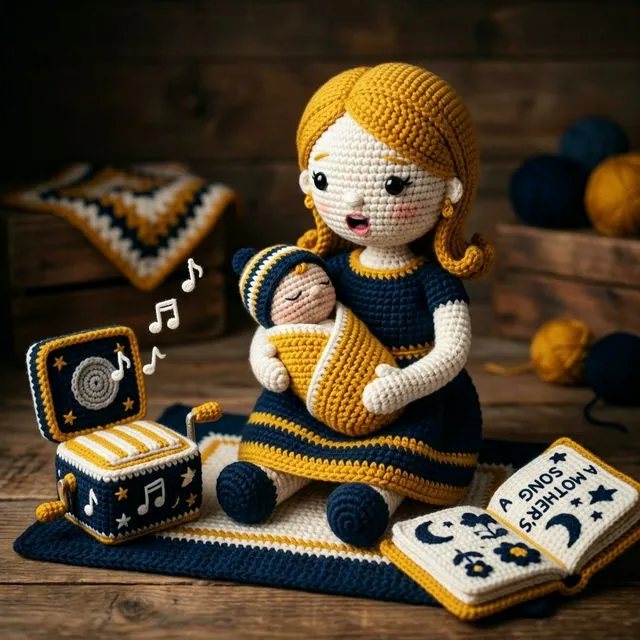
A lullaby and an audio story offer different things to listen to. Neither is a universal sleep solution. Start with something your child enjoys hearing again without becoming more alert, and notice whether it fits the evening.
When a song fits
A short song is an option when your child wants your voice but has little interest in following a plot. You can sing or hum without opening an app, choosing a narrator or finishing a chapter.
For example, a toddler who is tired after a busy day might prefer the same brief song while you sit nearby. You do not need to sing perfectly or add verses to make it worthwhile.
When a story fits
A gentle story gives your child something calm to focus on. A preschooler who enjoys imagining a setting might like hearing about a rabbit putting its garden to bed or a boat returning to the harbour.
If your child keeps asking what happens next, a plot may be too engaging for that moment. Try a shorter recording, return to a familiar song or read a book together instead.
Compare the practical details
| Format | Useful when | Check first |
|---|---|---|
| Singing together | Your child wants your presence and a short ending. | Choose a song you are comfortable repeating. |
| Recorded lullaby | Your child enjoys a familiar melody. | Listen for abrupt changes in volume between tracks. |
| Audio story | Your child enjoys listening to a simple plot. | Preview the ending and use a timer if helpful. |
You can combine them
Try a short song before a story, or use different options on different nights. There is no required age at which a child must “graduate” from lullabies to stories. For help choosing a recording, see what to look for in a bedtime audio story.
Whichever you choose, set recorded audio at a low volume and keep the device out of reach. Agree on an ending, then make time for any reassurance your child needs.